 Measuring Behavior
Organiser
Richard Brown, Dalhousie University, Halifax, Canada
Abstract
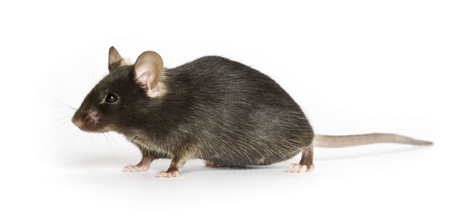
Behavioural neuroscience is the study of mind and brain. There are many advanced tools for the anatomical, physiological and biochemical study of the brain but how do we study the mind? The functions of the brain in regulating emotions, motivations, and cognitive functions cannot be observed directly. Early psychologists studied the mind using the subjective method of introspection, but Pavlov, Thorndike, Watson and others argued that the mind of humans and animals must be studied by objective methods and that meant the study of behaviour to infer mental function. Tolman and Krechevsky argued that rodents develop “hypotheses” during learning and thus instituted the study of cognitive neuroscience. We use a variety of behavioural bioassays to study sensory, motor, emotional and cognitive functions of mouse models of human neurobiological disorders such as Alzheimer’s disease, ADHD and Autism. But how can we infer anxiety, depression, learning and memory functions of the mind from behaviour and how can we determine if a mouse model shows deficits in its cognitive functions? In this presentation, I shall give examples how we use the observation and description of behaviour to infer the mental functions and evidence for “hypotheses” in the mind of the mouse from its performance in specific behavioural bioassays.
Speakers will be announced after their papers have been accepted.